A Day Running Link Campaigns: Questions for an Operations Lead
Mara Voss runs link-building operations for a mid-sized SEO agency, overseeing hundreds of active campaigns and a small team of publishers and account managers. We sat down with her to talk about what the work actually looks like inside pbnrank, the platform her team uses to manage orders, content, publishing, and reporting.
From first login to first publish
Editor: Walk me through a typical Tuesday. What does the morning look like before you touch a single campaign?
Mara: Tuesday starts with triage, not creation. I open the dashboard and look at three things in order: overnight publishing results, orders that moved into a new status, and anything flagged as failed or pending verification. That first pass takes maybe fifteen minutes, but it sets the tone for the day. If a batch of scheduled posts went out cleanly, the team can spend its energy on client work instead of firefighting. If something stalled, I want to know before an account manager hears about it from a client.
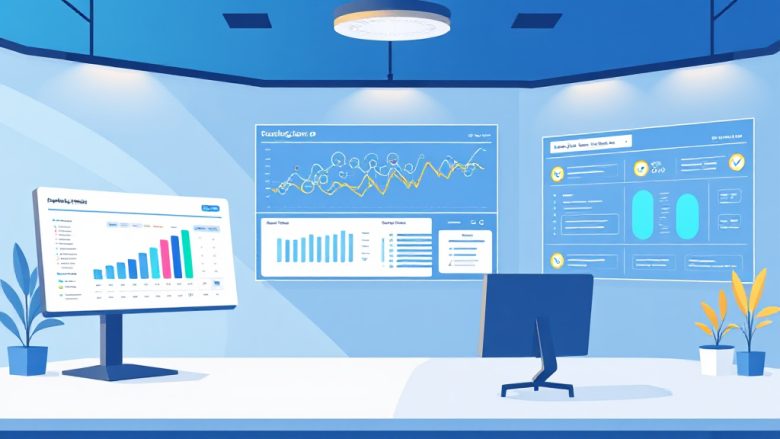
The platform matters here because it gives us one control room instead of five browser tabs. Orders, content, publishing schedules, and verification all live in the same place, so the morning check is a single sweep rather than a scavenger hunt across spreadsheets and inboxes.
Editor: What happens when a new client comes on board? How do you get from signed contract to live campaign?
Mara: The setup phase is where most agencies lose time, so we standardized it. First we translate the client’s goals into a campaign structure — how many links, what types, what cadence. Then we load the order into the platform, assign content requirements, and set the publishing window. The content team picks it up from there, and the schedule handles the rest.
The part I appreciate is that setup is not a one-time event. If a client changes targets mid-campaign, we adjust the order and the downstream tasks update with it. Nobody has to remember to tell three different people that the anchor mix changed.
Editor: How much of the content workflow is automated versus human?
Mara: That is the question every new hire asks, and the honest answer is: it depends on the client. For high-volume, lower-touch campaigns, we lean on generated drafts and editorial review. For premium accounts, a human writer touches every piece. The platform supports both, which is the point. Automation handles the assembly line — briefs, drafts, scheduling, publishing — and people handle judgment.
What I will not do is pretend that fully automated content is right for every client. Some campaigns need a human voice, and the workflow has to allow for that without breaking the schedule.
Publishing, verification, and the middle of the day
Editor: What does the publishing side actually look like once content is ready?
Mara: Publishing is where the platform earns its keep. We schedule posts into slots, and the system pushes them out according to the calendar. The team watches for confirmations and verifies that each link is live and correctly placed. If a placement fails — a site goes down, a post gets rejected — it comes back into the queue with a status we can act on.
The verification step is not glamorous, but it is the difference between reporting a link and actually having one. Clients do not pay for scheduled posts; they pay for live links that stay live. So we treat verification as a first-class task, not an afterthought.
Editor: How do you handle recovery when a link drops or a campaign underperforms?
Mara: Recovery is a routine, not an emergency. When a link disappears, the platform flags it, and we decide whether to replace it, renegotiate, or credit the client. Because the history lives in one place, we can see whether a drop is a one-off or a pattern on a particular site. That context changes the decision. A single drop on a solid site gets replaced quietly. A pattern means we stop using that site.
Underperformance is similar. If a campaign is not delivering the expected results, we look at the data before we look at the tactics. Sometimes the issue is placement quality; sometimes it is the anchor mix; sometimes the client’s expectations were set wrong at the start. The platform gives us the reporting to have that conversation with evidence instead of opinion.
Editor: Where do resellers and clients fit into your day?
Mara: Resellers are a big part of our operation, and they need visibility without needing to call us. The platform gives them their own view of orders and delivery, which cuts down on status emails enormously. Clients get reports on a schedule, and the account managers use those reports as the basis for check-ins.
The rule we follow is simple: if a client or reseller can see it themselves, we should not be spending time describing it in an email. That frees the team to do the work that actually requires a human — strategy, quality control, and the conversations that keep accounts healthy.
Lessons learned and what the reporting really shows
Editor: What has surprised you most about running campaigns at this scale?
Mara: The surprises are rarely about tactics. They are about process. Early on, we underestimated how much time went into status updates and internal coordination. Once we moved everything into pbnrank and made the platform the single source of truth, the team’s capacity effectively increased without adding headcount. That was the biggest operational win, and it had nothing to do with link quality.
The second lesson is that reporting is not a month-end activity. When the data is live, you catch problems while they are still small. A campaign that is drifting shows up in the numbers weeks before it shows up in a client complaint — if you are looking.
Editor: What advice would you give an operations lead who is setting up their first platform-based workflow?
Mara: Start with the order structure, not the automation. If your orders are vague, no amount of scheduling will save you. Define what a completed order looks like, what verification means, and who owns each status change. Then let the platform enforce it.
Also, resist the urge to customize everything on day one. Standardize the common cases first, and handle exceptions manually until you understand them. Most of our early mistakes came from trying to automate edge cases we did not yet understand.
Editor: Last question — what does a good day look like by the time you log off?
Mara: A good day is boring in the best way. Publishing ran on schedule, verifications came back clean, the queue is empty of anything urgent, and the reports went out without anyone chasing them. The team spent its time on quality and clients instead of coordination. That is the whole goal: make the routine invisible so the judgment gets the attention.
If you are evaluating platforms for link-building operations, the question to ask is not how many features it has, but whether it removes the coordination tax from your team’s day. For us, that is the measure that matters.